
CeraVe Facial Moisturizing Lotion AM vs PM Guide
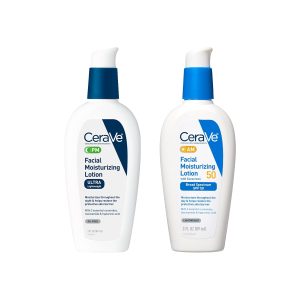
CeraVe facial moisturizing lotion is a lightweight daily moisturizer built on ceramides, hyaluronic acid, and glycerin, and it’s made for normal to dry skin that needs hydration without a heavy feel. It comes in AM and PM versions, so you pick based on whether you want sunscreen in it. The one misconception people bring to it’s that “lotion” means weak — this one still holds water in your skin all day, it just spreads thinner than a cream.
The mechanism is simple and true: ceramides are fats that already exist between your skin cells, and topping them up helps the outer layer hold moisture instead of losing it. CeraVe uses a slow-release form of ceramide, which is why the brand says it keeps working for hours. For exact ingredient percentages and the full list, check the label or the maker’s own page — those numbers change between versions.
How to apply it the right way
- Wash your face with lukewarm water and a gentle cleanser, then pat dry — leave the skin slightly damp, about 30 seconds after patting.
- Squeeze a pea-sized amount, roughly 0.5 ml, onto two fingertips. That’s enough for the whole face; more just sits on top.
- Dot it on five points: forehead, each cheek, nose, and chin.
- Spread it upward and outward with light strokes. Don’t rub hard — dragging pulls at the skin.
- Stop about 1 cm below your lower lash line. The lotion isn’t made for the eye area, so use a separate eye product there.
- Wait 2 minutes before makeup or sunscreen, or the layers will pill and roll off.
- Apply twice a day — once in the morning, once at night — on clean skin.
The one judgement call that separates a good result from a bad one is timing. Applying to damp skin within a minute of washing locks in far more water than applying to a bone-dry face. If you let your skin air-dry completely first, you’re moisturizing the surface, not the skin.
If your skin is broken, oozing, or reacting badly to a new product, that’s not a do-it-yourself moment — see a dermatologist or pharmacist rather than layering more lotion on it.
CeraVe lotion numbers and settings
These are the figures and pairings people come back for. Your own skin type decides which row fits, so read across, not down.
| Situation | What to use | How long | What to watch for |
|---|---|---|---|
| Normal skin, daytime | AM lotion with SPF 30 | Reapply sunscreen every 2 hours outdoors | SPF fades — the lotion doesn’t |
| Dry skin, daytime | AM lotion, or PM plus a separate SPF | Same 2-hour sunscreen rule | Dry patches may still need a cream |
| Dry skin, nighttime | PM lotion | Once, before bed | Don’t layer under a heavy cream |
| Very dry or flaky skin | PM lotion, then a thicker cream on top | Nightly | Lotion alone may not be enough |
| Oily or acne-prone skin | A lighter CeraVe lotion, not the rich one | Twice daily | Heavy versions can feel greasy |
| Eczema-prone skin | CeraVe moisturizing cream instead | Twice daily | Lotion may be too thin for flares |
| After shaving | PM lotion on damp skin | Once, right after | Stinging means stop and rinse |
What separates good results from bad ones
The people who get the most out of this lotion treat it as the last step of a routine, not the first. They cleanse, then apply any active — like a retinoid or an acid — wait a few minutes, and only then seal everything in with the lotion. Doing it in that order means the active does its job and the moisturizer traps what’s left. Flip the order and the lotion blocks the active from absorbing properly.
They also keep the amount steady. A pea-sized amount, twice a day, beats a thick layer once a week. Skin doesn’t store moisture — it loses it continuously, so daily topping up is the whole point.
What they check partway through
About two weeks in, they look at whether the skin feels comfortable at midday, not just right after applying. If it’s tight by lunchtime, the lotion is too light for the season and a cream is the next step up. If it feels greasy or shiny, they drop to once a day or switch to a lighter version.
What they leave alone
They don’t scrub, they don’t layer three moisturizers, and they don’t switch products every few days. Skin needs a couple of weeks to show whether a routine is working, and constant changing tells you nothing. If you want to test a change, change one product at a time.
Common problems and quick fixes
| What you notice | What it usually means | What to do first |
|---|---|---|
| Pilling under makeup | Too much product, or no wait between layers | Use less, wait 2 minutes before makeup |
| Skin still tight by midday | The lotion is too light for your skin or climate | Add a cream on top, or switch to the cream version |
| Shiny, greasy face | Wrong version for oily skin | Switch to a lighter CeraVe lotion, use once daily |
| Stinging or redness | Irritation, or a reaction to another product | Stop the new product, rinse, and see a pharmacist if it persists |
| Dry patches that won’t clear | You may need a cream, or a skin condition is involved | Try the cream; if it doesn’t improve, see a dermatologist |
The rules that apply
In the US, moisturizers are cosmetics, not drugs, so they don’t need FDA approval before sale. The FDA does require the ingredient list on the label and bans certain ingredients — you can read its rules on cosmetics on the FDA site. That matters because “dermatologist recommended” is marketing, not a regulated claim.
If a product says it treats eczema or acne, it’s crossing into drug territory and needs different approval. And the AM version’s sun protection claim is regulated — the SPF number on the label is tested, so trust it over any brand wording. For a skin condition that needs treatment rather than moisture, a dermatologist is the right person, not the cosmetics aisle.
Keeping your skin happy afterwards
Once you’ve found the version that works, keep the routine boring. Store the bottle closed, away from direct sun, and use it within the period shown on the label — the open-jar symbol tells you how many months it lasts after opening. Most formulas stay good for that window if you don’t dip dirty fingers in.
Your skin will tell you when it’s due for a change: tightness in winter, oiliness in summer. Adjust the version, not the whole routine, and give any change two weeks before judging it.
When a different product is the better choice
If your skin is very dry or you have eczema, a lotion may be too thin — a cream or ointment holds more water and stays put longer. If you’re acne-prone, a lighter gel or a lotion labeled non-comedogenic suits you better than the rich version. And if you have a diagnosed skin condition like rosacea or psoriasis, this is a support product, not a treatment — see a dermatologist for the plan that actually addresses it.
Frequently asked questions
How long does CeraVe facial moisturizing lotion take to work?
You’ll feel softer skin within a day, but the barrier benefit builds over about 2 to 4 weeks of twice-daily use. Judge it after a month, not after two days.
Can I use it every day?
Yes. Twice daily, morning and night, is the standard routine. Once a day is fine if your skin feels greasy with more.
Is it safe for sensitive skin?
Generally yes — it’s fragrance-free and non-comedogenic, which suits many sensitive types. Patch-test on your inner arm for 24 hours first if your skin reacts easily.
What happens if I skip moisturizer at night?
Your skin loses more water overnight, so you may wake up tight or flaky. One missed night won’t hurt; a regular habit will show over time.
Can I use it with retinol or acids?
Yes, and it helps. Apply the active first, wait a few minutes, then seal with the lotion to reduce dryness and flaking.
How much should I use each time?
About a pea-sized amount, roughly 0.5 ml, covers the whole face. Using more doesn’t add hydration — it just pills under makeup.
Does the AM version replace sunscreen?
Cerave facial moisturizing lotion (AM) gives you SPF 30 coverage, but only if you use enough — about a quarter teaspoon for the face alone. For a full day outside, add a dedicated sunscreen.
Conclusion
Finding the version that fits your skin matters more than any technique. Start with the one that matches your skin type, apply it to damp skin twice a day, and give it a month before you decide. If your skin has a condition rather than just dryness, get that looked at first — no lotion fixes a problem it wasn’t made for.